.png)
EU Sanctions Russia While UK Targets Intelligence Units Amid Ongoing Conflict

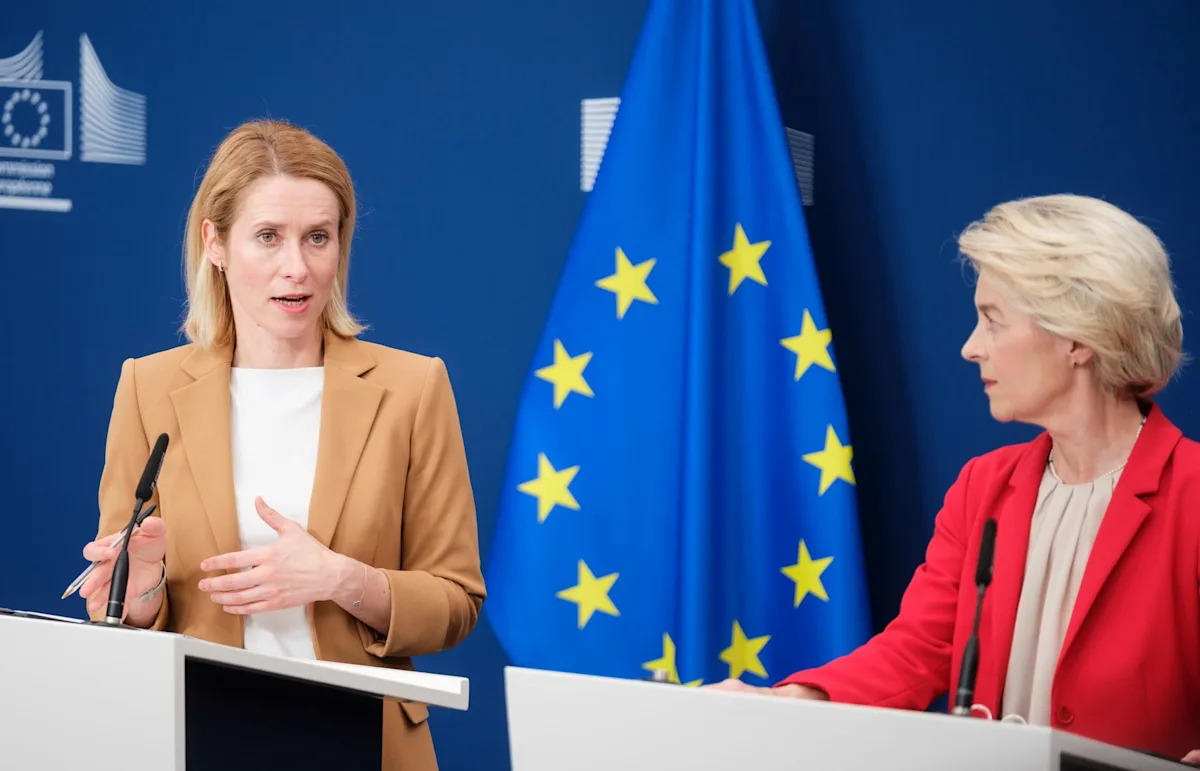
As the conflict in Ukraine continues to escalate, significant developments were reported on July 18. The European Union has solidified its commitment to economic sanctions against Russia, while the UK has targeted specific Russian intelligence units involved in cyber operations. Complex military maneuvers and cyber engagements characterize the ongoing strife, with both Ukraine and Russia asserting strategic victories. EU Imposes Extensive Sanctions Against Russia On July 18, EU member states reached a consensus on a formidable sanctions package aimed at Russia, following Slovakia’s decision to lift its veto on the matter. This 18th sanctions package has been described as one of the EU's most rigorous efforts to date in response to Russia's ongoing aggression in Ukraine. Kaja Kallas, the EU's chief diplomat, remarked, "The EU just approved one of its strongest sanctions packages against Russia to date." The new measures are designed to increase economic pressure on Russia as it continues aggressive military operations in Ukraine and rejects calls for a ceasefire. A notable feature of the sanctions is the reduction of the price cap on Russian oil from $60 to $47.6 per barrel, aimed at diminishing Russia's oil revenues without jeopardizing the stability of global markets. The UK has joined this initiative, further emphasizing a unified stance on curbing Russian oil exports. In addition to financial restrictions on vessels of Russia's "shadow fleet," the sanctions also include measures against the banking system and a ban on the Nord Stream pipelines. UK Targets Russian Intelligence Units Concurrently, the British government implemented sanctions against three units of Russian military intelligence, specifically targeting those implicated in cyberattacks. This includes 18 officers linked to various malicious cyber operations that have been ongoing in the UK and across Europe. The Foreign Office indicated that one of the sanctioned units was responsible for aiding missile strikes in Mariupol, noting that these cyber operations aim to destabilize European security and undermine Ukraine. UK Foreign Secretary David Lammy emphasized the seriousness of the UK's response, stating, "The Kremlin should be in no doubt: we see what they are trying to do in the shadows, and we won’t tolerate it." Ukrainian Drones Target Moscow Again On the ground, Ukraine's military reported drone strikes on Moscow for the second consecutive night on July 18. The attacks prompted air defenses in various parts of Russia, particularly around the capital, which experienced multiple explosions but no details on potential damage were provided. Moscow Mayor Sergei Sobyanin confirmed that several Ukrainian drones were intercepted, while local reports indicated impacts were felt in suburban areas. Flight operations at major airports were temporarily halted as a precaution. Cyberattacks on Gazprom Reported A cyberattack executed by Ukraine's military intelligence targeted Russian energy giant Gazprom, reportedly damaging significant amounts of data and crippling internal networks. The operational strike occurred on July 17, indicating ongoing cybersecurity warfare alongside traditional military operations. A source from Ukraine's military intelligence stated, "The degradation of Russian information systems to the technological Middle Ages continues," highlighting the effectiveness of their efforts to disrupt Russian operations. </p