.png)
Ukraine in Cyber Warfare: The Battle for Digital Sovereignty
- Free Citizens Network

- May 31, 2025
- 3 min read
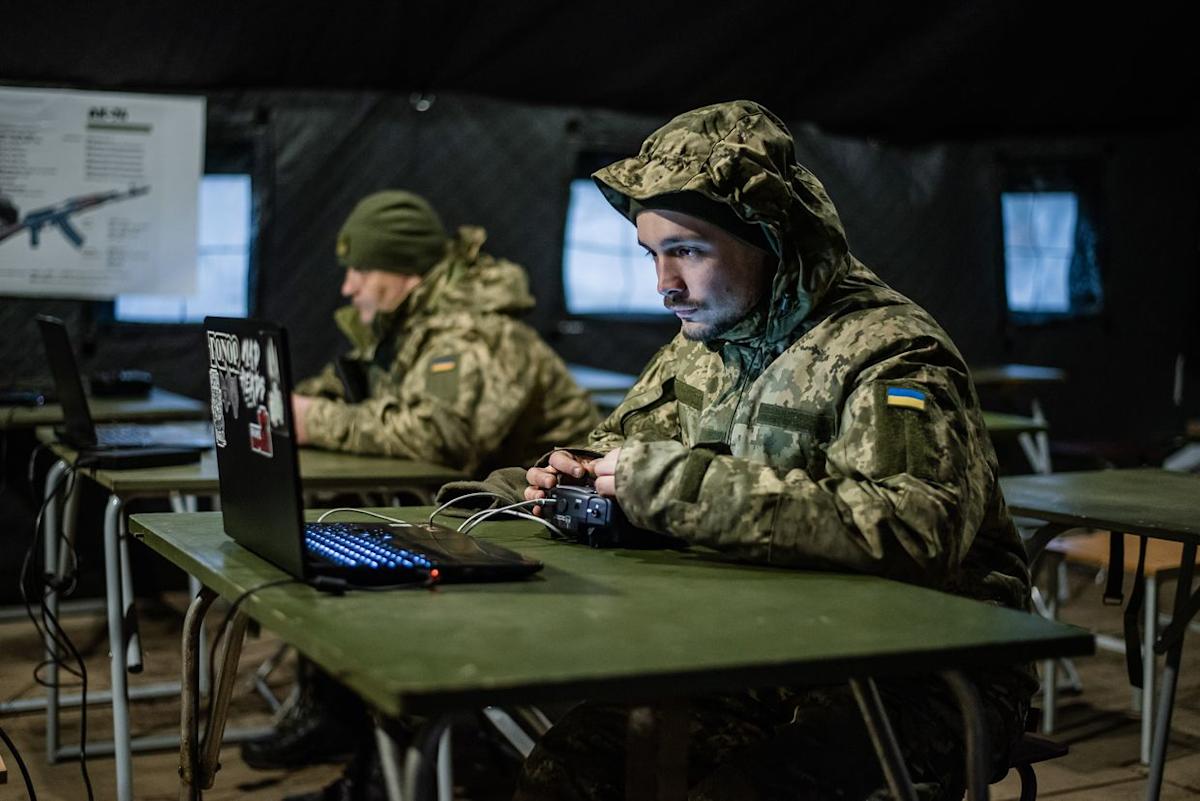
The ongoing conflict in Ukraine extends beyond traditional warfare; it reaches into the digital realm, where cyber battles shape national security and societal stability. Recent observations from the Kyiv International Cyber Resilience Forum (KICRF) underscore the urgency of understanding and addressing the cyber challenges facing Ukraine. Ukraine's struggle against cyber threats is driven largely by Russian state actors, including the Federal Security Service (FSB) and the Main Intelligence Directorate (GRU). As the regional cyber landscape evolves, support from international allies is reportedly waning. Notably, the U.S. government's withdrawal of personnel from cybersecurity agencies like the Critical Infrastructure Security Agency signals a shift that could affect Ukraine's defenses against persistent Russian cyber aggression. The impact of these developments is profound. The closure of the USAID mission in Ukraine has diminished crucial cybersecurity initiatives that safeguard critical infrastructure, hindering efforts to strengthen Kyiv's digital security mechanisms. As highlighted during the KICRF, the absence of U.S. government support has emerged as a notable concern among Ukrainian officials. Targeting Critical Infrastructure Russian cyber attacks are designed to disrupt essential services within Ukraine, impacting power grids, telecommunications, and financial systems. Such tactics are aimed at undermining public confidence and spreading chaos. Additionally, the use of wiper malware and ransomware exacerbates these vulnerabilities, highlighting a strategic approach to cyber warfare that inflicts significant damage upon Ukraine's digital landscape. The continuous conflict has forged a response strategy among Ukrainian cyber professionals, who are well-versed in navigating this hostile environment. Resilience Amid Adversity Despite these daunting challenges, Ukraine exhibits noteworthy tenacity and adaptability. Years of confrontation with Russian aggression—exemplified by the annexation of Crimea and earlier attacks—have fortified the nation’s readiness to respond to cyber threats. The Ukrainian workforce boasts skilled cyber defenders active in both governmental roles and private sector initiatives, demonstrating their readiness to engage in this digital warfare. International cooperation plays an essential role in enhancing Ukraine's cyber defenses. Collaborative efforts like the Tallinn Accord and the strategic support from EU and NATO partners contribute vital resources and expertise, aiding Ukraine in maintaining its digital sovereignty against adversarial influences. However, the withdrawal of financial backing from USAID raises new uncertainties regarding the sustainability of Ukraine’s cybersecurity advancements. This development necessitates an increased reliance on remaining international partners to help fill the gaps left by reduced U.S. presence. The Call for Global Action For technology firms within Ukraine, the current situation is a clarion call to innovate under heightened pressure. The demand for sophisticated cybersecurity solutions, such as localized threat intelligence platforms and secure communication systems, is more urgent than ever. Ironically, this crisis interweaves an opportunity to bolster Ukraine's tech sector. Moreover, the global tech community is urged to step up, facilitating access to advanced cybersecurity resources like AI-based threat detection and resilient cloud systems. These contributions are not merely gestures of solidarity; they are crucial for maintaining stability in the face of reduced support from the U.S. Enhancing Cyber Defense Education Crucially, fostering a new generation of cyber specialists through training initiatives is essential for enhancing Ukraine's ability to cope with future threats. Engaging in strategic partnerships and shared educational efforts will help establish a robust pipeline of skilled professionals ready to confront evolving cybersecurity challenges. The repercussions of Russia's cyber aggressions extend across borders, emphasizing that the conflict is not solely confined to Ukraine. The international community is called to recognize this reality and take decisive action to protect collective digital integrity. In closing, the departure of a key ally like the United States amplifies the responsibility of
