.png)
Your Gas Bill Is Going Up — And Russia Is Cashing In

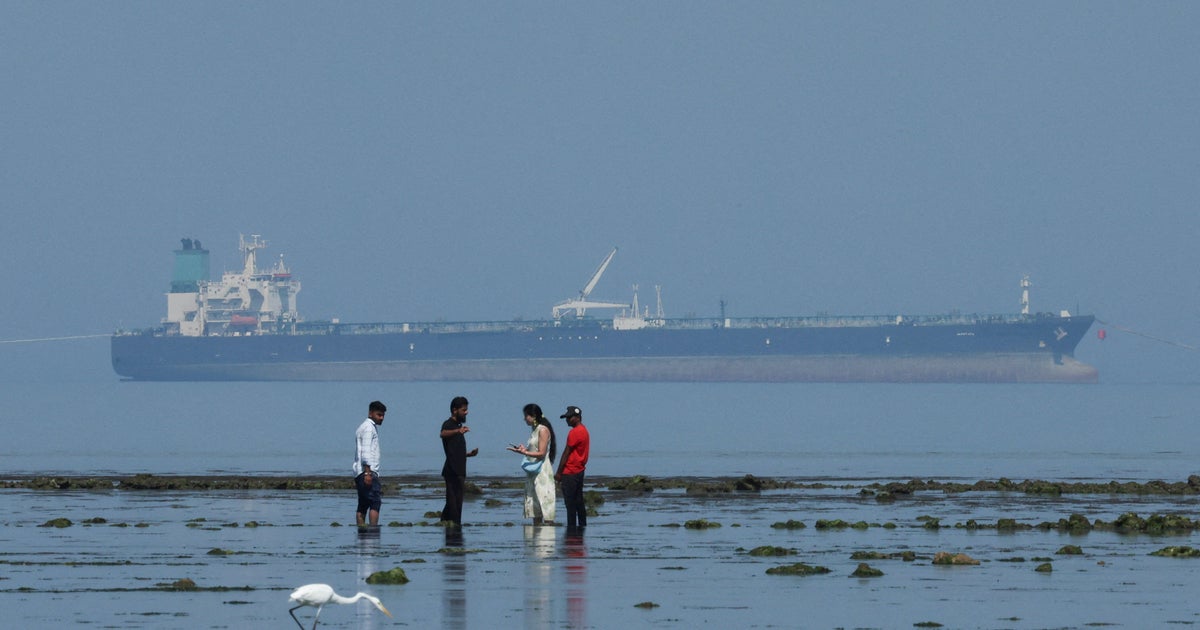
Every time you fill up your tank or pay your energy bill, global oil prices play a direct role in what you spend. Right now, those prices are surging — and the country benefitting most may surprise you.
As conflict in the Middle East disrupts crude oil shipments through the Strait of Hormuz — one of the world's most critical energy chokepoints — global energy markets have been thrown into turmoil. For American families already stretched thin by years of elevated costs, higher energy prices mean higher grocery bills, higher transportation costs, and less money left over at the end of the month.
But while U.S. households absorb that pain, Russia is seeing a windfall.
A Sanctions Pause That's Paying Off for Moscow
Last week, the U.S. Treasury Department issued a 30-day waiver on sanctions against Russian energy sales — sanctions that had been put in place over Russia's ongoing invasion of Ukraine. The waiver was framed by Treasury Secretary Scott Bessent as a narrow, short-term move to "promote stability in global energy markets," and he insisted it would not "provide significant financial benefit to the Russian government."
Analysts who track Russian energy revenues tell a different story.
Luke Wickenden, a Europe-Russia Energy and Sanctions Analyst at the Centre for Research on Energy and Clean Air (CREA), told CBS News that the boost in oil revenue is "quickly becoming a lifeline for Russia." Before the waiver, Russian crude oil was trading at a 10 to 20% discount compared to global benchmarks. Now, Wickenden says, "that discount has completely vanished and it's pretty much at the exact same level as Brent crude" — the international standard for oil pricing.
In plain terms: Russia is now selling its oil at full global price, pocketing the difference that sanctions had previously cost it.
Other Countries Are Buying More Russian Oil — Fast
The waiver didn't just allow existing sales to continue. Wickenden told CBS News it appears to be incentivizing countries to ramp up their purchases of Russian oil. "These countries that previously may have been slightly wary of importing this crude oil may actually increase their imports," he said. "China's imports have risen 22% compared to last month. Brazil's has increased by 32% and Singapore's has nearly tripled."
According to further analysis from CREA, Russia's average crude oil export earnings during the first two weeks of the current conflict were estimated at $230 million per day — 26% more than the daily average in February, before the fighting began.
The Kremlin has been open about its good fortune. "We're talking about additional revenue for our oil companies, which sell oil and petroleum products and are guided by the current price environment," Kremlin spokesman Dmitry Peskov said. "Company revenues mean increased budget revenues."
What This Means for Ukraine — and for U.S. Policy
Ukrainian President Volodymyr Zelenskyy warned over the weekend that the revenue surge could give Russian President Vladimir Putin "more confidence that he can continue the war" in Ukraine. Zelenskyy said Ukrainian intelligence reported Russia was already facing a deficit of more than $100 billion in 2026 due to sanctions and strikes on its energy infrastructure — but that it has now recouped an estimated $10 billion in just two weeks of elevated oil prices.
Wickenden added that if the current conflict keeps global energy prices elevated for just two to three more months, it could "actually offset the losses that it's made in just the last year."
When asked directly at a Senate Intelligence Committee hearing whether Russia had gained billions of dollars from rising oil prices and the sanctions pause, Director of National Intelligence Tulsi Gabbard said only, "that is what has been reported," before redirecting the question to the Treasury and Energy departments. CIA Director John Ratcliffe said he wouldn't try to "do those calculations," but acknowledged that "sometimes there are decisions made that will benefit adversaries at the same time policymakers think that it will benefit the American people."
A Financial Boost With Real Consequences
Ian Bremmer, founder of global political risk firm Eurasia Group, told CBS News that the financial gains for Russia are unlikely to be a "gamechanger" by themselves. Putin has shown a willingness to absorb enormous human and economic costs — over one million Russian casualties in four years of war — without slowing down. But Bremmer did say the revenue boost gives the Kremlin greater financial "flexibility" to sustain its war.
"Given the fact that the Russians are a principled enemy of the United States and its allies around the world, the fact that America's war of choice in Iran ends up directly helping the Russians, both indirectly and directly, as a consequence of choices of the Trump administration, that is what I think has people bent out of shape." — Ian Bremmer, Eurasia Group
For American families watching energy costs climb, the connection may feel abstract — but it's very real. Higher global oil prices flow directly into gas pumps, utility bills, and the cost of goods shipped across the country. And right now, those higher prices are simultaneously straining household budgets at home while filling government coffers abroad.